2019—Orbit2019 Orbit is a moving image sculpture composed of two curved TV screens and one scaffold pole. In 1985 in Tolima region of Colombia, Nevado de Ruiz volcano erupted covering the unsuspecting population of Armero town in hot mud mixed with ashes. Overnight – what later was called the Armero Tragedy – took lives of more than 23 000 people and this became known as the quintessence of governmental neglect. The disaster could have been avoided, but government’s disregard for the volcanologists’ warnings and failure to evacuate the population created one of the deadliest events in recorded history of Colombia. Currently in the middle of the territory of what used to be the town stands only a massive rock that came down from the crown of the volcano. Every morning there is a ritual like routine which activates the monument function: each day there comes a José who attaches to the rock a wooden ladder that mourning or just curious visitors can use for a fee. They climb up, look around, find place to inscribe mourning messages on a surface of the rock that simultaneously serves a function of a gravestone. The surface of the rock merges in a palimpsest of grief messages washed by the reddish oxide – product of the high iron content of the rock. The work offers to viewer a piercing close-up on a primordial surface of the rock, locked in a relentlessly circular perspective. The steady double-bind camera motion spans into a whirlpool of infinity by indicating the trajectory of infinity sign (∞) itself. The rock, as an object that had been included into the system of human sorrow signifiers, takes space with all its physical and sociohistorical gravity, implying an instance of intense conjuncture of human and non-human temporalities. The moving image sculpture Orbit is a response to a conveniently coined term “natural disaster” and a statement that such thing only exists in governmental rhetoric which has severe consequences on living and non-living bodies, as it is entirely dismissive of inseparable entanglements of human and non-human histories. Special thanks to: Phd Natalia Pardo Villaveces, La Tina sound and SomosEnde productions | 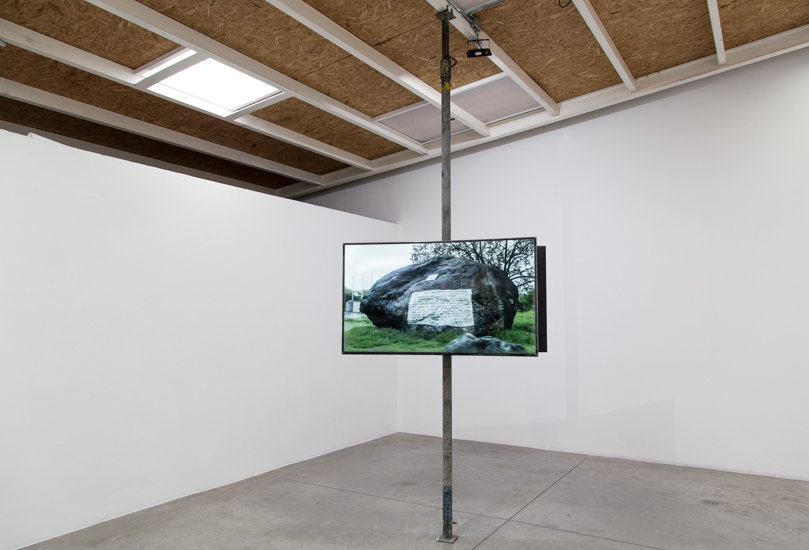 Orbita(2019) Lo bravo y lo manso-Santiago Reyes Villaveces-Instituto de Visión | 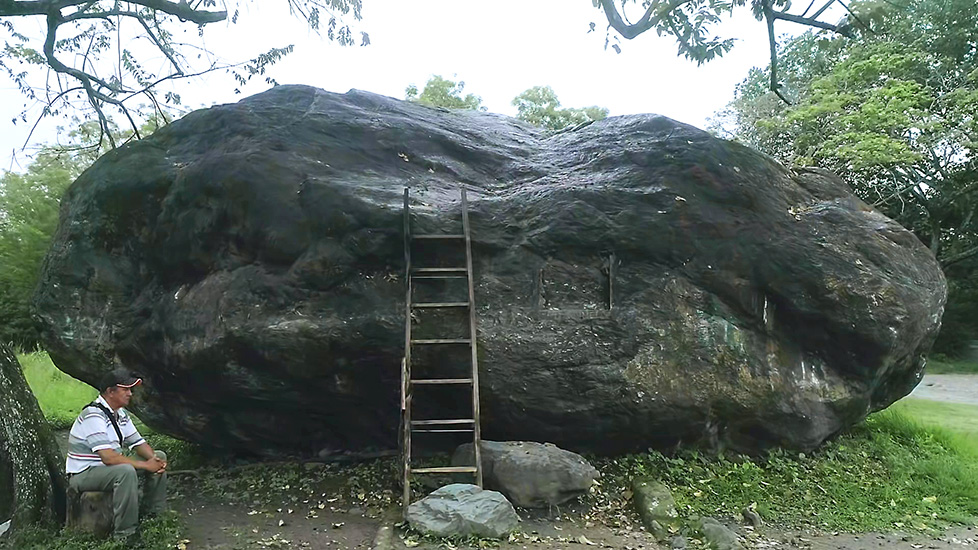 Orbita(2019) Lo bravo y lo manso-Santiago Reyes Villaveces-Instituto de Visión | 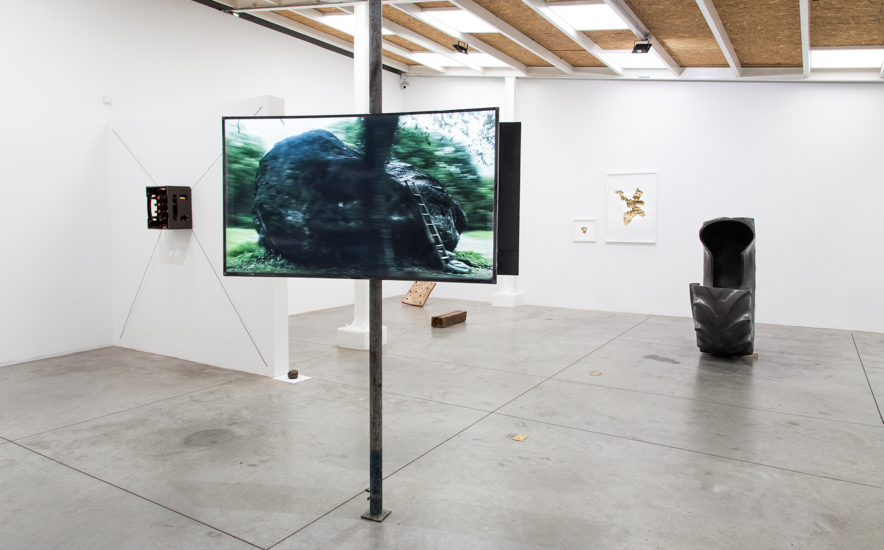 Orbita(2019) Lo bravo y lo manso-Santiago Reyes Villaveces-Instituto de Visión | 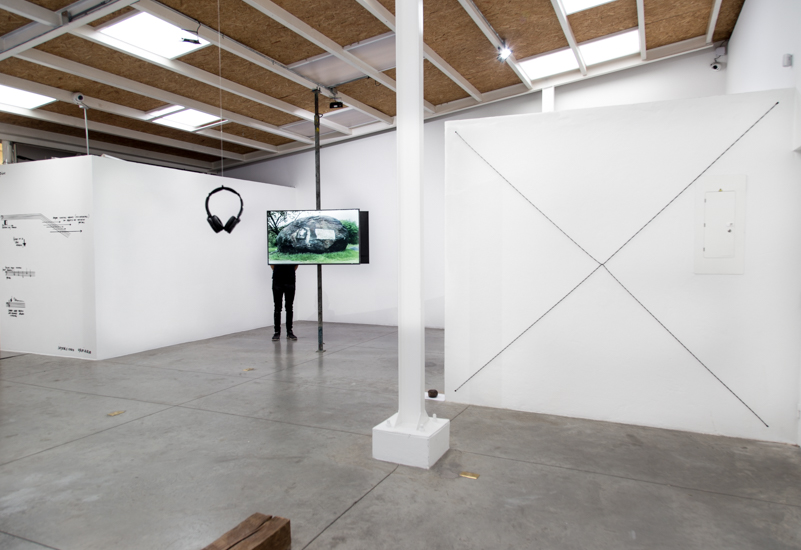 Orbita(2019) Lo bravo y lo manso-Santiago Reyes Villaveces-Instituto de Visión | 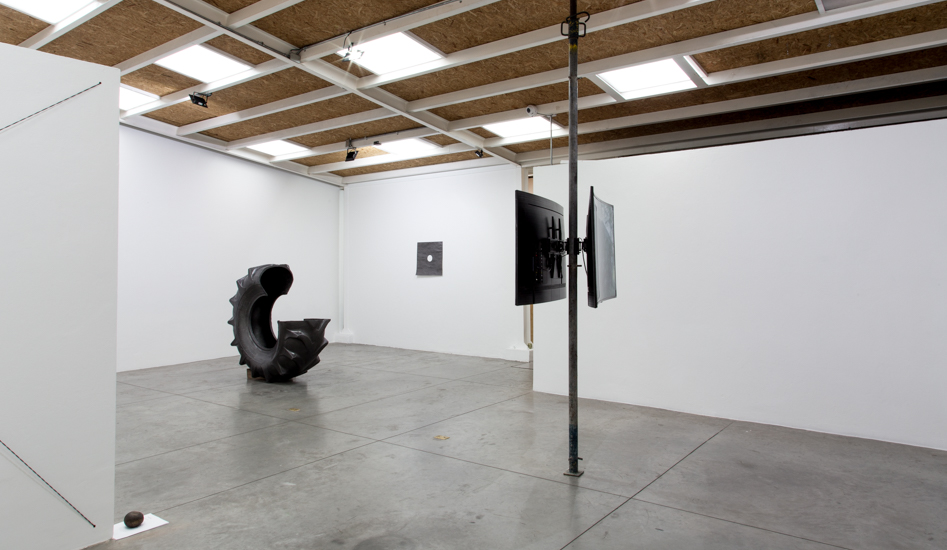 Orbita(2019) Lo bravo y lo manso-Santiago Reyes Villaveces-Instituto de Visión | 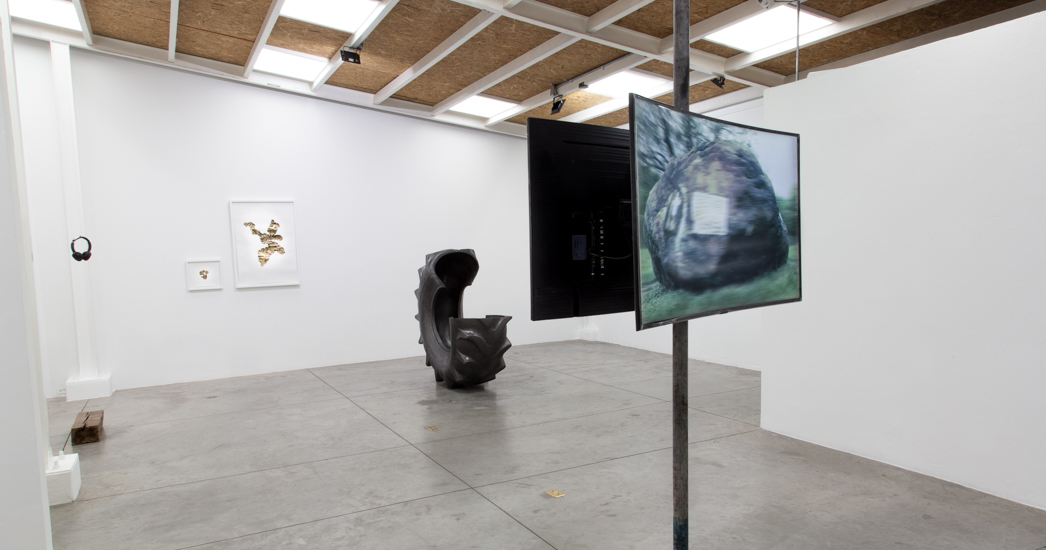 Orbita(2019) Lo bravo y lo manso-Santiago Reyes Villaveces-Instituto de Visión |  Orbita(2019) Lo bravo y lo manso-Santiago Reyes Villaveces-Instituto de Visión |